
Vietnam Travel Guide:
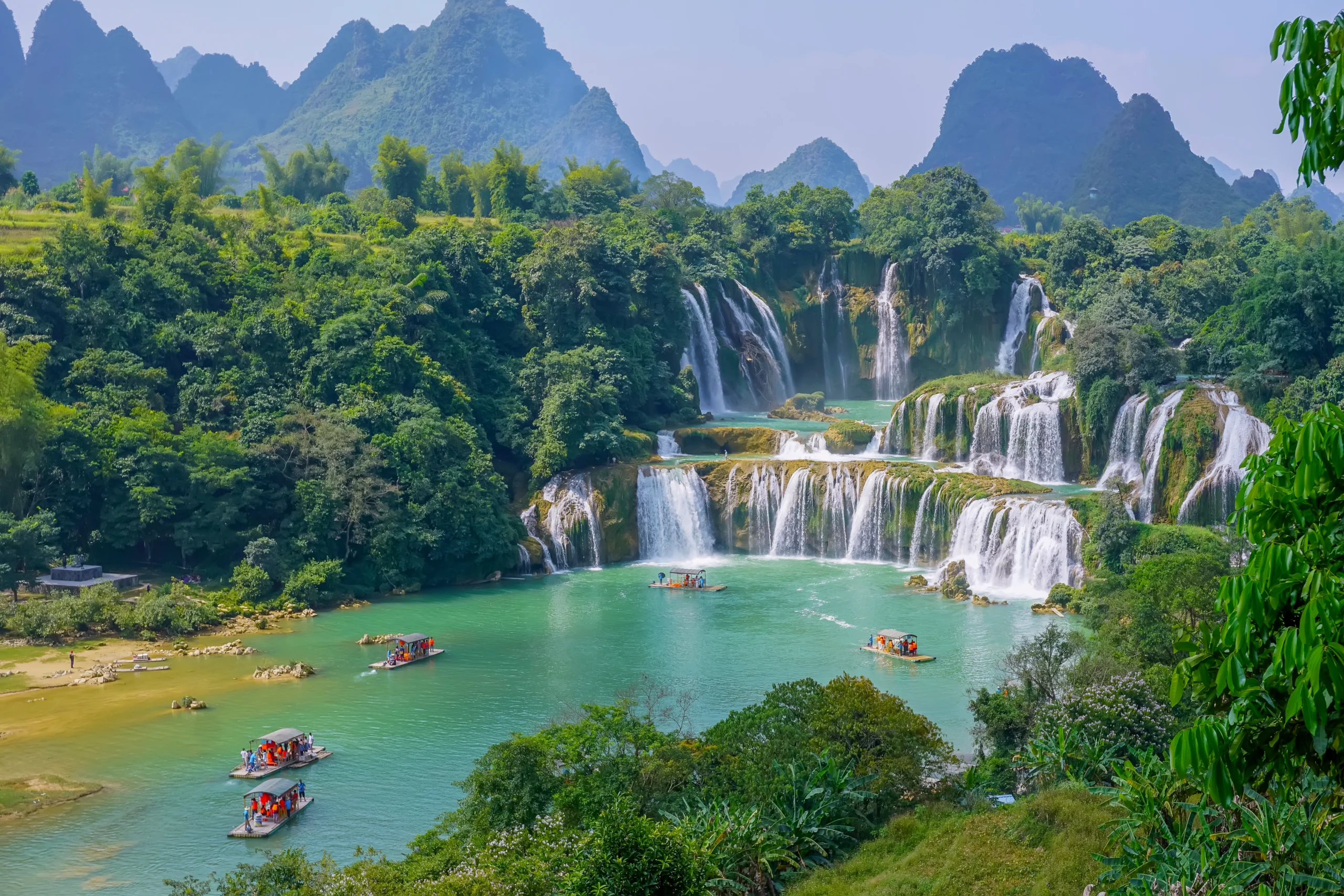
Vietnam is an enchanting country that represents a blend of ancient traditions and vibrancy in modern life. From the busy streets of Hanoi down to the still waters of Ha Long Bay, this Southeast Asia gem is sure to provide lifetime experiences to anyone traveling here for vacation.
Why Visit Vietnam?
With grace, it balances natural beauty with rich cultural heritage, combined with warm and friendly native inhabitants. From adventure in the northern mountains to rich cultural history in ancient towns and cities, or leisure in deluxe beach resorts, Vietnam offers breathtaking experiences.
From mist-shrouded highlands to emerald rice terraces, limestone karsts, and tropical coastline, such varied geography is the perfect backdrop for your adventure. Each region reflects its own character, cuisine, and attractions. If for nothing else, Vietnamese food-from fresh herbs, balanced flavors, and regional dishes-is an excuse to visit.
Best Time to Visit Vietnam: A Complete Seasonal Guide
The key to planning your dream trip to Vietnam is knowing when to visit. The country is a year-round destination based on which areas you will visit because regional conditions are highly variable.
What Is the Best Time to Visit Vietnam by Region?
Northern Vietnam: Hanoi, Ha Long Bay, Sapa
The best time to go to Vietnam in the north is from October to April; it’s mild in temperature and receives a minimum amount of rain. The weather is really pleasant during spring, which would be March and April, and during autumn from September to November. During the winter months, it can get cool from December to February in mountainous areas like Sapa.
Central Vietnam: Hue, Da Nang, Hoi An
Those who ask about the best time to visit central destinations in Vietnam should know that from February to July, conditions are at their most favorable. This area has a clear rainy season between September and December, with possible typhoons. For those traveling for beach time, go between March and August when the sea is calm and skies are clearer.
Southern Vietnam: Ho Chi Minh City, Mekong Delta
The southern parts of Vietnam are best visited in the dry season from December through April. Temperatures are warm throughout the year, with these months offering sunny days and relatively infrequent rain showers. From May to November, the wet season brings afternoon showers but shouldn’t be a problem since mornings are generally still dry.
Planning Your Trip: Seasonal Considerations
Photo, Shoulder Seasons Consider shoulder seasons of March-April and September-October when the weather is great and the crowd is small, ideal for clicking photographs.
Events and Festivals: Tet, the Vietnamese New Year, falls in late January/early February and is a time of cultural celebration; however, accommodations must be booked well in advance.
Budget travel: Come in the rainy season, accommodation prices fall, and tourists are limited in attractions.
Must-See Places to Visit: Essential Places in Vietnam
Hanoi – The Cultural Heart
From the French colonial architecture to traditional Vietnamese culture, it’s all mixed in the form of Vietnam’s capital. Wander through the narrow streets in the Old Quarter, visit the historic Temple of Literature, and catch a performance of traditional water puppets. One must try authentic pho at dawn when locals queue up at street-side stalls.
Ha Long Bay – Natural Wonder
This UNESCO World Heritage Site is made up of over 1,600 limestone islands springing amazingly out of the emerald waters. Take an overnight cruise to truly appreciate the bay in all its glory: explore hidden caves, kayak between karsts, and watch sunrise over the ethereal landscape.
Hoi An – Ancient Town Charm
This incredibly well-preserved trading port shines bright each evening with lanterns. Wind your way around pedestrian-friendly streets lined with tailor shops, art galleries, and cafes. Check out nearby An Bang Beach, explore rural villages by bicycle, and take a cooking class to master Vietnamese cuisine.
Ho Chi Minh City – Modern Metropolis
Formerly known as Saigon, this dynamic city pulsates with energy. A few of the historical sites that one must not miss include the War Remnants Museum and Reunification Palace, along with shopping at Ben Thanh Market, and rooftop bars featuring excellent panoramic views of the city. Cu Chi Tunnels on the outskirts give a sneak peek into wartime history.
Sapa – Mountain Majesty
Hike through the terraced rice fields, ethnic minority villages, and to the summit of Fansipan, Indochina’s highest peak. The cool mountain climate and dramatic scenery provide a welcome break from Vietnam’s tropical lowlands.
Mekong Delta – River Life
Experience the floating markets; take a cruise through narrow waterways to see how the local rural Vietnamese live right on the river. Enjoy a homestay one night to really take in delta life.
Complete Planning Guide for Vietnam Tour Packages from India
Indian tourists enjoy very good connectivity with Vietnam, with direct flights from Delhi, Mumbai, and Bangalore to Hanoi and Ho Chi Minh City. When planning for a tour package to Vietnam from India, it is imperative to decide what all elements make for a good tour package.
What to Expect in Vietnam Tours
Itinerary coverage: Make sure packages cover must-see places, allowing time to take in each location rather than rushing through your whole tour of Vietnam.
Visa Assistance: Find operators to assist in the application for a visa to Vietnam, hence making entry procedures smooth for your travel.
Accommodation Quality: Check hotel ratings and their locations; centrally located ones may save time and transportation costs while traveling.
Meal inclusion: Knowing what meals are included enables one to budget for extra dining during the tour.
Local Guide Expertise: Gain a deeper understanding and appreciation of Vietnamese culture and history on an exploration with local, English-speaking guides.
Types of Vietnam Tour Packages Available
Classic tours cover Hanoi, Ha Long Bay, Hoi An, and Ho Chi Minh City within 7-10 days and are great for first-time visitors.
Adventure tours encompass trekking, cycling, and motorbiking across the different landscapes of Vietnam for adventure-loving tourists.
Cultural tours focus on historical sites, cooking classes, and interactions with the communities for in-depth experiences.
Beach holidays focus on coastal destinations such as Nha Trang, Phu Quoc Island, or Da Nang to relax. With customized itineraries, you will be able to create the perfect Vietnamese adventure according to personal interests and travel style.
Practical Travel Tips for Your Vietnam Journey
Visa Requirements
Indian nationals visiting Vietnam require a visa. E-visa options are also available online, with options for 30-day single entry or multiple entry. Visa-on-arrival options through approved agencies are also available.
Currency and Costs
The national currency in Vietnam is the Vietnamese Dong, VND. Vietnam is great value: street food meals start from $1-2, mid-range restaurant dinners $5-10, and comfortable accommodation from $20-50 per night.
Transportation Within Vietnam
Domestic flights efficiently connect the major cities for those on tight schedules, while sleeper trains provide scenic overnight journeys between destinations. In the cities, rely on the ride-hailing app Grab for safe, metered transportation, or consider hiring drivers for multi-day explorations.
Health and Safety
Generally speaking, Vietnam is safe for travelers. Drink bottled water, use sunscreen, and bring mosquito repellent with you. It is a good idea to obtain travel insurance for peace of mind. In every city, there will be numerous immediate-need pharmacies.
Cultural Etiquette
The Vietnamese appreciate modest dress at temples and respectful behaviour. Take shoes off at home and religious sites. Bargaining is expected at markets but must be done jollily. Learning a few simple phrases in Vietnamese such as “xin chao” for hello and “cam on” for thank you, goes down very well.
Regional Cuisine Highlights: A Food Lover’s Paradise
The food in Vietnam varies from region to region, each offering its unique flavors and specialties that can make any visit memorable.
Northern Vietnam: Sample pho, or beef noodle soup, bun cha, a grilled pork dish served with noodles, and egg coffee in the evocative cafes of Hanoi.
Central Vietnam:
The region’s signature noodle dish, Cao lau from Hoi An; crispy pancakes, banh xeo; and turmeric noodles, mi quang.
Southern Vietnam:
Savor the Vietnamese sandwiches, fresh spring rolls, and tropical fruits abundant from the orchards of the Mekong Delta.
Getting Around: Transportation Options
Its length makes the internal flights in Vietnam practical for time-conscious travelers. The Reunification Express train is a visually stimulating route between Hanoi and Ho Chi Minh City. Buses vary from simple to luxury sleeping coaches. Motorbike rentals provide freedom, but you need confidence in Vietnamese roads.
Best Experiences: Must-Do Activities in Vietnam
- Go on a cruise through Ha Long Bay aboard a traditional junk boat, explore limestone caves, and swim in secluded bays under starlit skies.
- Take a cooking class in Hoi An and learn how to cook Vietnamese dishes using fresh market ingredients from the local vendors.
- Take a motorbike over Vietnam’s coastal roads, stopping at fishing villages and hidden beaches along the way.
- Trek through rice terraces in Sapa, staying with ethnic minority families in traditional stilt houses for authentic cultural exchange.
- Cu Chi Tunnels: Gain a wide-ranging understanding of wartime history in Vietnam through this vast underground network.
- Hoi An provides the best custom-fit clothes made by expert tailors, finishing orders within 24 hours and at very cheap prices.
Final Thoughts: Planning Your Vietnam Adventure
Curious travelers are rewarded with rich experiences, stunning landscapes, and sincere hospitality while exploring this country. Be it cultural discovery, outdoor adventure, culinary history, or simply downtime at beautiful beaches, Vietnam surpasses the promise.
Planning a trip to Vietnam either on a tour package from India or on your own, remember that improving infrastructure makes exploration increasingly comfortable while retaining authentic charm. The understanding of the best time to visit Vietnam for the chosen places or destinations and time spent at each location is the key to success in any trip. Plan your trip with care, and use this Vietnam travel guide as your base for an amazing adventure. Give yourself time to connect to a destination rather than racing from highlight to highlight. Eat street food, talk to locals, and be open to the unexpected. These will likely be among your most prized memories. It awaits with open arms, ready to share stories, flavors, and beauty with whoever seeks to dig a little deeper into it. Now’s the time to start planning and find out why this Southeast Asian gem keeps travelers from around the world away.