
Indonesia Explorer's Guide:
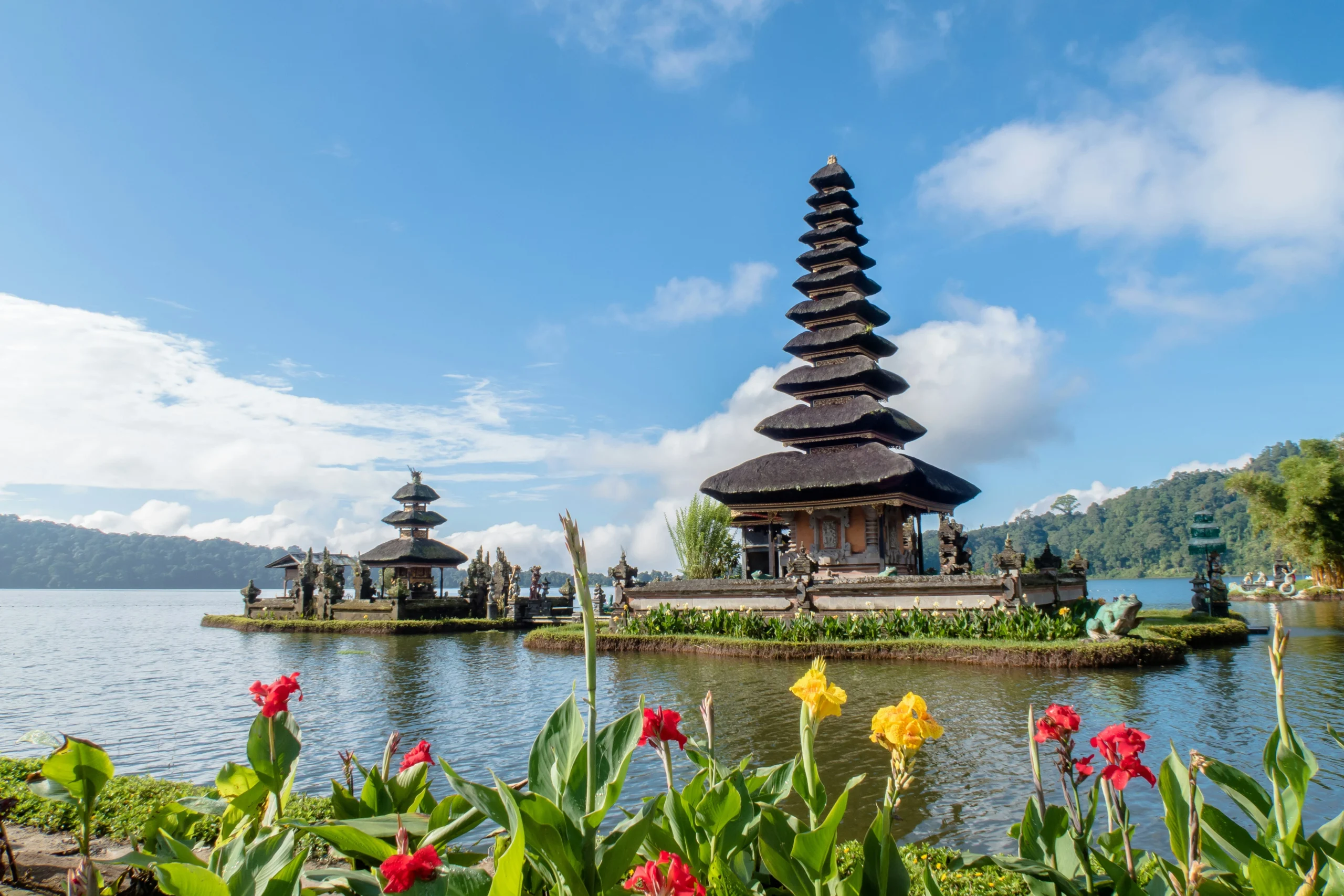
Indonesia, the world’s largest archipelago, stretches across more than 17,000 islands, offering travelers an extraordinary blend of ancient cultures, pristine beaches, volcanic landscapes, and vibrant cities. This comprehensive guide will help you plan an unforgettable Indonesian adventure.
Understanding Indonesia: A Land of Diversity
From east to west, Indonesia sprawls across three time zones and encompasses over 300 ethnic groups that speak more than 700 languages, making it Southeast Asia’s most diverse country. From the cultural heart of Yogyakarta and the tropical paradise of Bali to the komodo dragons of Nusa Tenggara and the orangutans of Sumatra, every island offers something different.
Planning Your Indonesian Journey
When to Visit
The best time to see Indonesia really depends on which parts of the country one is traveling to. In general, the period between April and October is the dry season and presents the best weather for most destinations-sunny skies and flat waters are ideal for island hopping and beaches. However, Indonesia’s vast territories feature a very varied climate.
The best, most reliable weather for Bali and the southern islands is from May to September, with minimal rainfall and comfortable temperatures. For visiting Sumatra or Raja Ampat, the best time will be from October to April. The shoulder months are April-May and September-October, which offer good weather and fewer crowds.
Visa Requirements and Entry
Most international visitors can get a visa on arrival for 30 days, extendable once for another 30 days. For tourism purposes, Indian travelers can enter Indonesia visa-free for 30 days, making it easily accessible for unplanned holidays.
Must-Visit Destinations
Bali: The Island of Gods
Bali remains Indonesia’s most iconic destination, and for good reason. Beyond the beaches of Seminyak and the rice terraces of Ubud, you’ll find ancient temples, such as Tanah Lot and Uluwatu, traditional villages that keep centuries-old traditions alive, and a vibrant art scene.
The cultural triangle of Bali represents the places to visit in Indonesia: Ubud for art and culture, Sanur for its relaxed atmosphere on the beach, and Canggu for surfing and sunset cafes. Most importantly, there is the sacred Monkey Forest, the dramatic Tegalalang Rice Terraces, and a sunrise trek up Mount Batur.
A well-planned Bali, Indonesia tour package usually covers major highlights, including temple visits, cultural performances, water sports, and spa experiences. Most packages are from 5 to 7 days, offering you time both on the coast and highlands.
Java: Cultural Heartland
Java is home to Indonesia’s capital, Jakarta, and some of the country’s most important historical sites. The great Borobudur Temple near Yogyakarta is the world’s largest Buddhist monument, while Prambanan boasts spectacular Hindu architecture. The volcanic landscapes of Mount Bromo and the sulfuric crater of Ijen provide a memorable sunrise for any adventure seeker.
Komodo National Park
The site of the legendary Komodo dragons, this UNESCO World Heritage Site also features some of the finest diving and snorkeling anywhere in the world. Pink Beach lives up to its name, while the views from Padar Island are simply stunning.
Raja Ampat
The Raja Ampat represents the absolute pinnacle of underwater biodiversity for the serious diver and marine enthusiast. This remote archipelago off Papua requires more planning and budget but rewards visitors with virtually untouched coral reefs and pristine natural beauty.
Lombok and the Gili Islands
Often touted as Bali’s quieter cousin, Lombok offers pristine beaches, great surfing, and the challenging trek up Mount Rinjani. The three islands collectively known as the Gili Islands offer a no-car tropical paradise popular for snorkeling, diving, and relaxation.
Budgeting Your Trip
Indian travelers will find Indonesia relatively affordable, though costs vary significantly based on travel style and destinations. Here’s a realistic breakdown:
Budget Travel (₹40,000-60,000 per person for 7 days):
- Guesthouse or hostel accommodation
- Local warungs (small restaurants) for meals
- Public transportation and shared tours
- Basic activities and entrance fees
Mid-Range Travel (₹80,000-1,20,000 per person for 7 days):
- 3-star hotels or boutique guesthouses
- Mix of local and tourist restaurants
- Private drivers for day trips
- Popular activities and tours
Luxury Travel (₹2,00,000+ per person for 7 days):
- 4-5 star resorts
- Fine dining experiences
- Private tours and transfers
- Premium activities like private yacht charters
Bali Trip Budget from India
For the Bali trip budget from India, one can expect to spend approximately ₹50,000 to 70,000 per person for a week’s mid-range trip, including international flights from major Indian cities. This covers comfortable 3-star accommodation, two meals daily, local transportation, and popular tourist activities.
The flight cost from India to Bali normally ranges between ₹ 25,000-45,000 return, depending on the season and the time of booking. Accommodation in Bali ranges from very affordable guesthouses that start at ₹ 1,500 per night to luxury villas priced upwards of ₹ 20,000 per night.
Practical Travel Tips
Getting Around
Indonesia has a huge geography, and transportation often needs to be planned. Domestic flights connect major islands and can be the most efficient way to travel. The budget airlines-Lion Air, Citilink, and AirAsia-offer frequent flights between popular destinations.
For island hopping, ferries and speedboats connect neighboring islands. Renting a scooter is famous in Bali, mainly for confident riders. Private drivers take people on comfortable full-day tours for reasonable rates, ₹2,000-3,000/day.
Accommodation Options
Accommodation options in Indonesia range from simple home-stays to ultra-luxury resorts. For budget travelers, decent, comfortable rooms can be found for ₹800-1,500 per night, while mid-range hotels offer great value between ₹2,500-5,000. In Bali and other international hotspots, there are several high-end resorts that offer top-class amenities with exceptionally good locations.
Food and Dining
Food is rich, diverse, and of a generally very affordable nature in Indonesian cuisine. The local warungs offer filling meals from ₹150-300, while tourist restaurants charge ₹500-1,000 per meal. Some essential dishes to try are nasi goreng, mie goreng, satay, rendang, and gado-gado.
Currency and Payments
The local currency is the Indonesian Rupiah (IDR). In tourist-oriented areas, you will have easy access to ATMs, and most hotels and restaurants will accept credit cards, though small places might be cash-only. It would be smart to carry some cash for markets, local transport, and rural areas.
Health and Safety
Generally, Indonesia is a safe country to travel in, but, as always, standard precautions apply. Drink bottled water, be circumspect with street food initially, and make sure you have comprehensive travel insurance. There is no malaria on either Bali or Java, but for trips to remote eastern islands anti-malarial medication will be necessary.
Cultural Manners
Indonesia is a predominantly Muslim country, and respectful behavior is appreciated. Dress modestly when visiting temples, covering your shoulders and knees. Remove your shoes before entering homes and religious sites. The Balinese people are very friendly and hospitable; however, ask for permission before photographing any ceremonies or people.
Sample Itineraries
7-Day Bali Highlights
- Days 1-2: Ubud (rice terraces, temples, monkey forest)
- Days 3-4: Central Bali (volcano trek, waterfall visits)
- Days 5-7: Beach area (Seminyak/Canggu – beaches, sunset, shopping)
10-Day Java and Bali
- Days 1-3: Yogyakarta (Borobudur, Prambanan)
- Days 4-5: Mount Bromo
- Days 6-10: Bali highlights
14-Day Indonesian Adventure
- Days 1-4: Bali
- Days 5-8: Komodo National Park
- Days 9-11: Gili Islands
- Days 12-14: Lombok (Mount Rinjani trek)
Booking Your Trip
Many travelers going to Bali, Indonesia, prefer organized tour packages that take care of logistics, especially for first-time visitors. These usually include accommodation and some meals, transfers, and guided tours that remove the hassle of planning and not missing any major attractions.
Alternatively, traveling on one’s own in Indonesia is quite easy in places such as Bali and Java, where the infrastructural platform for tourism is well developed. This approach offers more flexibility and can be more economical for budget-conscious travelers.
Final Thoughts
Indonesia offers excellent value, amazing diversity, and a warm welcome to visitors that brings people back year after year. With so many options for spiritual experiences, adrenaline-pumping activities, pristine beaches, and cultural immersion, this magnificent archipelago truly delivers.
Start planning your Indonesian adventure today and get ready to fall under the spell of one of Southeast Asia’s most charming destinations. From the moment of your arrival, you will understand why Indonesia holds a special place in the hearts of travelers the world over.